While following a regular watering timetable is a common starting point, many growers quickly discover that plants do not drink water on a schedule. What works for one may not work for another, and different spots in the garden react differently to the same rainfall. A container basking in hot midday sun will often dry out much faster than a raised bed in shade. Even two neighboring containers that seem identical can dry at different rates due to subtle differences like drainage hole placement, root mass, or mulch coverage. Because of these variables, relying on soil moisture is far more effective than watering based on a fixed calendar.
Don’t be fooled by how the soil surface looks. Soil can appear to be dry on the top while remaining quite wet a little deeper down. This occurs regularly with container plants, where the moist layer is hidden beneath the dry surface. If you water too often based on surface appearance, you are more likely to leave the roots in overly wet soil, causing leaf yellowing, weak growth, or poor plant development. Conversely, sometimes you give the top surface a quick soak that makes it look better, but if the water doesn’t go deep enough, the roots still won’t get the water they need.
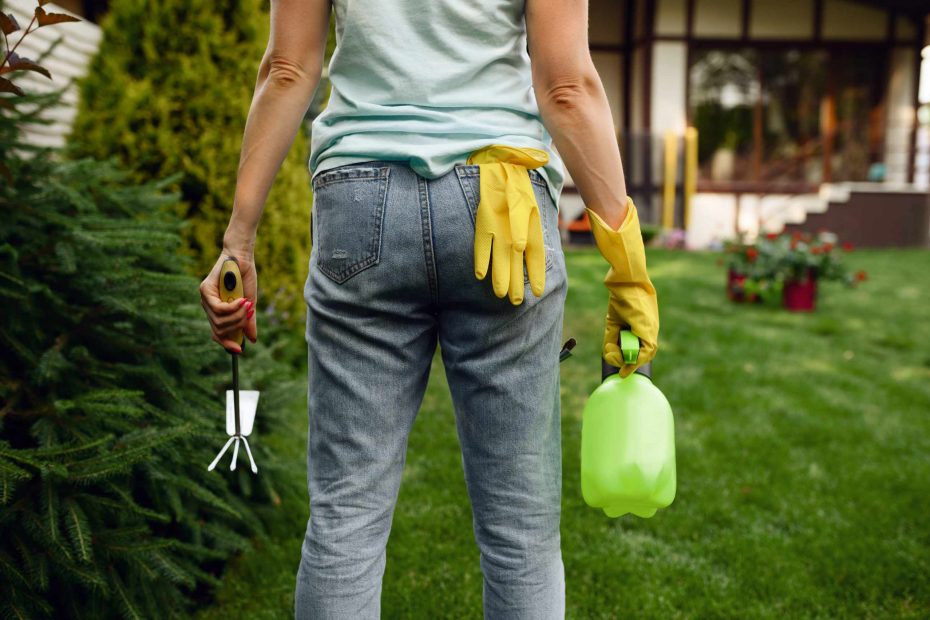
The simplest way to ensure you don’t overwater or underwater your plants is to pause and perform a soil moisture check before doing anything. Take a finger, or the handle of a small trowel, and stick it in near (but not on) the plant. If the soil still feels cool and moist, you shouldn’t add water just yet. Once you’ve determined the soil is dry, add water, but add it slowly near the soil and not in a heavy spray on leaves (unless it is necessary). Using a trowel to scoop out a little soil from near the side of a deep container is a good way to ensure that water is actually soaking down.
Try comparing the moisture levels of two or three different areas before next watering. Check a container, the corner of a raised bed, or a seed tray at about the same time every day. Observe how the soil dries down faster in direct sun, at the edges of containers or beds, or in different pot sizes. Taking a couple notes in your plant care calendar can be useful, and doesn’t even have to be a well-designed chart or log. Just jot down notes like damp under mulch, drying fast at edge, or still wet in bottom. Your plant care notes should help you understand when to water so the next watering goes to the right plants at the right time.
Once the soil has dried down and really needs water, how you water matters too. If you are watering containers, a fast pour can run down the sides or across the surface without actually soaking down to where the roots are. Using a watering can with a sprinkler end allows you to put water down slowly so it is not splashing so heavily on the plant. It may take a while, especially with seedlings or dry potting mixes. Wait a few minutes to let the water soak in, then check. If it runs through quickly, the mix needs more attention.
Young seedlings are more at risk of problems, but also easier to overwater or underwater because the root mass is small. It is good to have a fine sprayer to help add moisture, but it is not necessary to mist every seedling. Once the seedlings begin rooting and developing, add water near the soil, as with larger plants. It is common to spray plants, but constantly spraying the leaves is not a great substitute for giving the plant what it really needs, which is water in the root zone.
You will know you are making progress toward better watering when you are neither watering more nor less. You will find yourself taking more time and effort to understand why, or if, you should water. Before you pick up a watering can or spray bottle, try to check the leaves, observe the soil, and see how the plant is reacting. And if the soil still looks moist, remember it is okay to do nothing!